
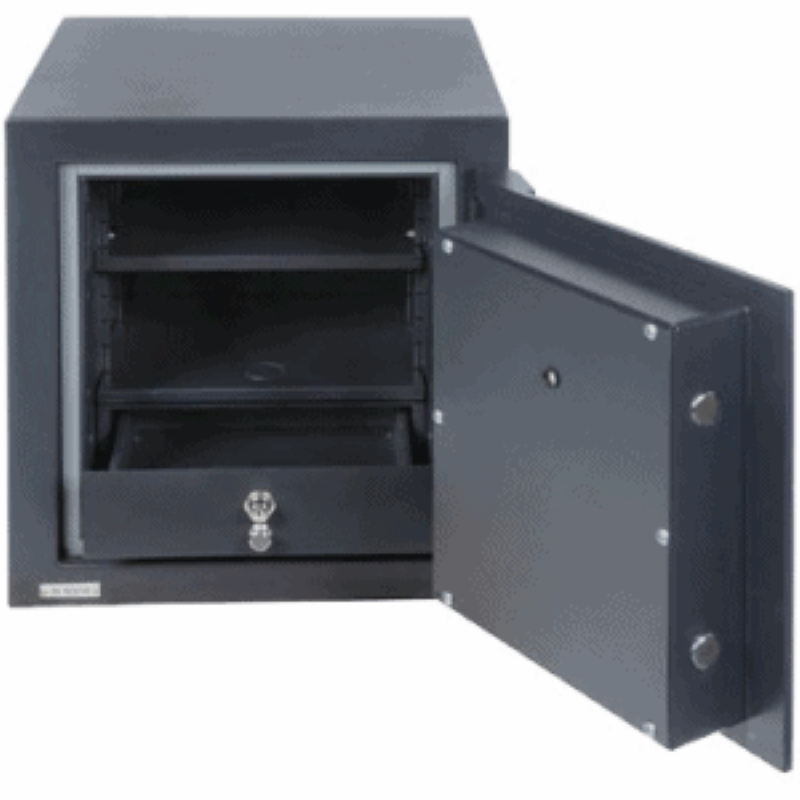
An unanchored safe becomes a burglar’s easiest target. Even strong safes can become a magnet for thieves without proper installation, especially if they are small enough to be carried away during a break-in.
Anchoring ensures it resists force and remains stable against tampering. For anyone investing in safes Perth, secure installation is just as important as the safe itself.
Choose the Right Location for Your Safe
The Australian Institute of Criminology found that burglars target visible valuables and weak security. A bedroom wardrobe may feel convenient, but it is usually the first place thieves check. Reduce risk by installing your safe in discreet spots such as a home office, basement, or garage.
Think about the strength of the floor beneath your safe. Heavy safes require reinforced concrete, while timber floors may need extra support. Avoid areas with high humidity, like bathrooms or laundry rooms, as moisture damages locks and metal finishes.
If fire protection is a priority, keep your safe on a lower floor. Heat rises quickly during a fire, so safes on upper floors face a higher risk. Similarly, avoid placing a safe near water lines that could burst and flood during emergencies.
Learn more: Floor Safe vs Wall Safe vs Concealed Safe: Which Is Best for Your Home?
Understand the Surface You’re Mounting To
The surface you choose affects security. Anchoring into concrete offers the best resistance, but it requires the right tools. Concrete anchors lock tightly and resist heavy pulling.
Timber floors are easier to drill but less secure. Over time, bolts can loosen, especially if the wood expands or contracts. Brick walls provide balance, but only safes built for wall installation fit securely.
Floor anchoring offers greater strength by using gravity and weight. Wall mounting works in apartments or restricted spaces, but it needs solid studs or masonry. Always check for heating, wiring, or plumbing before drilling to avoid costly damage.
Tools and Equipment You’ll Need
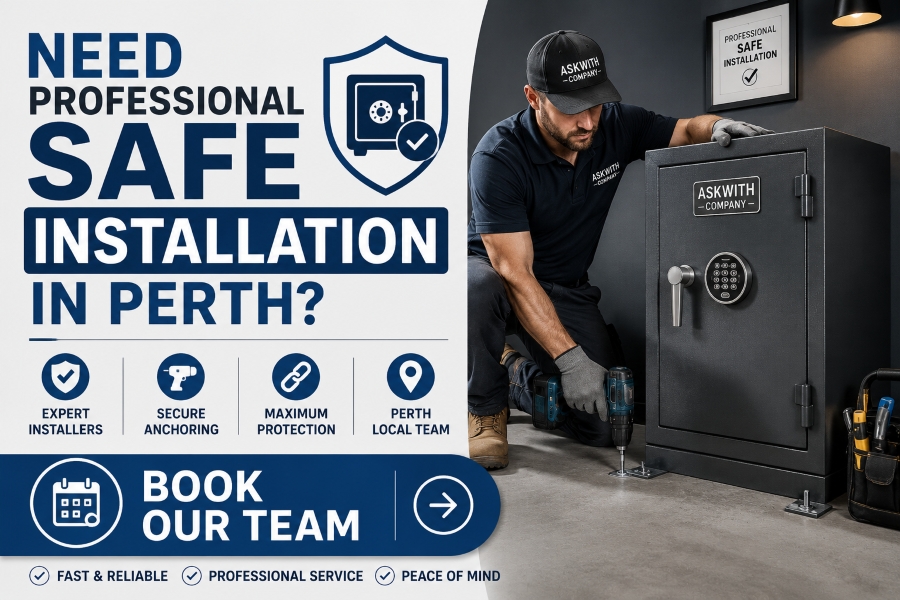
Installing a safe requires preparation. The basics include a heavy-duty drill, anchor bolts, a wrench, measuring tape, and a spirit level.
Use anchor bolts rated for your safe’s weight and the type of surface. Lightweight fasteners are useless if a thief applies force.
Safety gear matters as much as tools. Wear gloves to protect against sharp edges and goggles to prevent eye injury from flying debris. A dust mask is also recommended when drilling into concrete or brick.
Step-by-Step Anchoring Process
Safe installation follows a structured process:
- Mark the holes: Use the base template supplied with your safe. Ensure the safe sits level and aligned before marking.
- Drill pilot holes: Drill to the recommended depth for your anchor bolts. Keep the drill steady to avoid widening the hole.
- Insert anchor bolts: Place bolts firmly into each hole and position the safe over them.
- Tighten securely: Use a wrench to tighten bolts until the safe is immovable.
- Check stability: Test with a spirit level and give the safe a shake. If it moves, recheck bolts and alignment.
Hiring a Professional vs DIY Safe Installation
DIY installation works for lightweight house safes or small personal safes on easy surfaces. If your safe weighs under 80 kilograms and sits on reinforced flooring, you can usually manage installation with proper tools.
Heavy or high-security safes need professional installation. Experts drill into concrete without damaging structures or utilities and use commercial-grade bolts that withstand extreme force, ensuring long-lasting and reliable anchoring.
Professional installation also protects your warranty. Many manufacturers require it for coverage. Askwith Safe Company delivers and bolts safes securely, ensuring maximum protection, insurance compliance, and lasting peace of mind for your valuables.
Wall Mounting vs Floor Anchoring: What’s Better?
Floor anchoring is the gold standard. It uses both the safe’s weight and secure bolts to make removal nearly impossible. Burglars would need industrial tools and time, which they rarely have.
Wall mounting works well when floor space is limited. It keeps smaller personal safes at eye level, making access easier. However, walls cannot match the holding power of reinforced floors.
Some safes, such as deposit safes or jewellery safes, come pre-designed for both floor and wall installation, offering flexibility for different home or office layouts.
CMI In-Wall Safes: Discreet, Secure, and Built for Safety
CMI In-Wall Safes provide discreet, secure storage designed to fit into standard cavity brick walls. Built in Australia, they come with a five-year warranty on the safe body and two years on locks.
Each safe features a 12mm solid steel door, reinforced locking, and heavy-duty hinges on hardened pins. The 3mm steel body and strong front frame add durability, with locking options in digital, key, or dial combination.
Compact yet sturdy, the range weighs between 10kg and 24kg and includes removable shelves for easy organisation. Rated for up to $10,000 in insurable cash value, these safes offer practical, space-saving protection for Australian homes.
6 Extra Security Tips After Safe Installation
- Add an alarm system: Pair your safe with a monitored alarm. The system alerts authorities quickly and cuts the time burglars spend inside.
- Install surveillance cameras: Place a camera near your safe. Whether visible or hidden, it deters tampering and captures evidence if someone interferes.
- Control humidity: Protect documents, jewellery, and electronics by using silica packs or a dehumidifier inside your safe. Keep valuables dry and intact.
- Reinforce household security: Reinforce doors, windows, and garage entries to strengthen your home. Added security makes it harder to reach your safe and improves overall protection.
- Review insurance coverage: Check your policy and confirm your safety meets standards. Certified safe installation and anchoring improve coverage and boost claim success.
- 6. Contact an Askwith specialist: Our specialists deal with safe installation and maintain your safe to high standards, and recommend upgrades, service schedules, and tailored solutions.
Secure Installation, Real Protection
A safe’s strength relies on more than steel thickness. Without secure anchoring, even the best model is vulnerable. Proper installation keeps your valuables protected from both thieves and accidents, ensuring lasting peace of mind.
For high-quality safes Perth residents trust, our experts provide installation, relocation, and refurbished options, securing your safe properly and keeping it tamper-proof. Call (08) 9451 7848 or email reception@askwithcompany.com.au to anchor your peace of mind.