
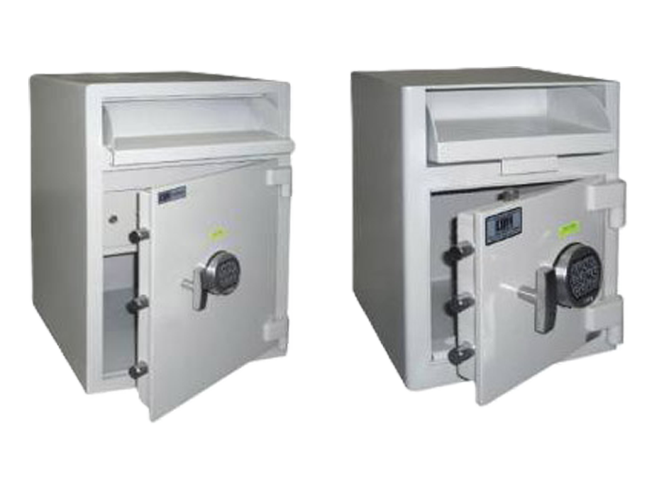
Smart safes in Australia are used in homes, offices, healthcare facilities and cash-handling businesses to control access to cash, documents, medicines and other valuable assets. Electronic locks, biometric readers and connected monitoring can help authorised users manage access, review activity and respond to attempted interference. These functions vary by model and do not replace tested construction, suitable fire or burglary protection, or correct installation.
What Is a Smart Safe?
A traditional safe usually relies on a key or mechanical combination, while a smart safe adds electronic or connected access controls. Depending on the model, this may include a digital keypad, fingerprint recognition, mobile app integration, Wi-Fi connectivity or electronic monitoring.
| Safe Type | Typical Access Method | Connected Features |
|---|---|---|
| Traditional safe | Key or mechanical combination | None |
| Electronic safe | Digital keypad or programmable PIN | Usually operates locally |
| Biometric safe | Fingerprint or another enrolled biometric | May operate locally or connect to other systems |
| IoT-enabled safe | Electronic or biometric access | May support apps, alerts, remote status checks and online logs |
More advanced systems may record access events, send tamper notifications or allow remote status checks. However, not every digital safe is an IoT safe. A keypad or local audit log does not necessarily mean the safe is connected to the internet.
Askwith’s safe range includes products with key, mechanical-combination and electronic locking options, allowing buyers to compare the access method with the safe’s physical protection and intended use.
Why Smart Safes Are Growing in Popularity in 2026
Smart safes address practical access and security concerns. Physical keys can be misplaced or copied, while shared PINs provide little indication of which person opened a safe. Electronic and connected systems may address these limitations through changeable credentials, access records, tamper alerts and remote status monitoring.
For Australian homeowners and businesses, easier access management may be one reason to compare smart-safe features. Fingerprint access can provide faster entry for approved users, while connected functions may allow users to check activity or receive alerts when they are away from the premises.
However, a product should not be selected simply because it is described as smart. Buyers should also assess its backup access method, physical construction, fire or burglary protection, anchoring provisions and any requirements that apply to the intended use.
How Biometric Technology Improves Safe Security
A biometric safe may use a fingerprint safe lock to compare a live scan with a biometric template enrolled for an authorised user. This reduces reliance on keys that can be lost or copied and PINs that may be shared or disclosed. Depending on the lock, administrators may be able to enrol or remove users individually as access requirements change. Where the system records named access events, it can also improve accountability by showing who opened the safe and when. Buyers should still assess sensor quality, backup access and how biometric data is stored.
IoT-Enabled Safes and Remote Monitoring Features
An IoT safe connects to an app or online platform through a network. Depending on the product and subscription, it may provide access notifications, tamper alerts, remote status checks, cloud-based logs or remote locking. Buyers should confirm which functions require internet access.
Wi-Fi safe monitoring can help users identify unusual activity when they are away from the premises, but connected safes also require strong passwords, software updates and secure network settings. A downloadable local audit trail is not the same as live cloud monitoring unless the product specifically supports it.
Smart Safe Products for Homes and Businesses
When comparing digital safes in Australia, the right product depends on what is being protected, how many people need access and the required level of physical security.
| User or environment | Relevant features or products |
|---|---|
| Homeowners | Compact home safes and personal safes with electronic locks, backup access and secure anchoring points |
| Offices and accommodation providers | Programmable access and the Chubb Air Hotel’s downloadable 105-event audit trail. |
| Retailers | E-Slot and Omni Drawer Trap deposit safes that allow staff to secure takings without opening the main compartment |
| Pharmacies and healthcare facilities | Purpose-built drug and pharmaceutical safes selected for the organisation’s access and storage requirements |
| Firearm owners | Gun safes chosen according to the firearm type, storage capacity, jurisdiction and installation conditions |
Confirm biometric, connected and remote-monitoring functions for the individual model, as not every electronic safe supports them.
Smart Gun Safes and Firearm Security Advancements
A biometric gun safe can identify an enrolled user without requiring a physical key or shared code. This may make authorised access more direct, but the fingerprint reader is only one part of the locking system. Firearm owners must also consider the gun safe’s construction, anchoring, capacity and resistance to tampering. Storage requirements vary by jurisdiction, firearm category and installation, so compliance should be checked for the exact safe and location. The availability of fingerprint access should be confirmed for the selected model.
Fire-Resistant and High-Security Features in Modern Smart Safes
Modern smart safes should combine convenient digital access with strong physical protection. Features such as reinforced steel doors, substantial boltwork, relocking mechanisms and secure anchoring help resist forced entry, while tested fire ratings indicate how long particular contents may be protected.
The Chubb Viper shows why lock technology should be assessed alongside tested physical protection. Askwith lists the range as certified to EN 14450 Level S2 for burglary resistance and EN 15659 for 30 minutes of fire protection for paper documents, with electronic-lock and time-delay options available on relevant models. Buyers should confirm that the certification applies to the selected model and that the fire classification suits the contents, particularly when storing digital media.
How Smart Safes Improve Business Security and Cash Management
Deposit safes can separate the act of placing cash into secure storage from the authority to retrieve it. The E-Slot and Omni Drawer Trap allow employees to deposit cash, cheques or documents without opening the main compartment. Other electronic products support different accountability functions. For example, the Chubb Air Hotel stores a downloadable 105-event audit trail, although this is a local record rather than evidence of real-time cloud monitoring.
Smart Safes for Healthcare and Sensitive Asset Protection
Healthcare facilities may use electronically locked safes to restrict access to medicines, controlled substances, records and other sensitive items. Individual credentials and access logs may support accountability where the selected lock provides those functions. Askwith lists purpose-built drug and pharmaceutical safes as well as data and document storage, but the product, lock and installation must be checked against the facility’s current regulatory and operational requirements.
Things to Consider Before Buying a Smart Safe
Before choosing a smart safe, assess both the access technology and the safe’s physical protection. Important factors include:
- Lock and access method: Compare keys, mechanical combinations, programmable PINs and biometric access.
- Connectivity: If considering a remote-access safe, confirm whether it uses Wi-Fi, Bluetooth or an app, which functions require internet access and whether ongoing subscriptions apply.
- User management: Check how many users can be registered and whether access events are recorded.
- Battery and backup access: Check for low-battery warnings, backup power and emergency override methods.
- Burglary and fire protection: Ask for model-specific classifications and confirm that the rating suits the intended contents.
- Support, warranty and servicing: Check how long software updates will be provided and what coverage applies to the safe body, electronic lock and connected components
- Capacity: Allow space for future storage rather than selecting a safe that only fits current items.
- Anchoring: Confirm the safe has suitable fixing points and that the floor or wall can support installation.
Professional delivery and installation can help ensure the safe is positioned correctly, securely anchored and set up according to the manufacturer’s requirements.
Professional Installation and Safe Placement for Maximum Security
An advanced lock cannot prevent thieves from removing an unsecured safe. Askwith recommends bolting safes down because anchoring can reduce the risk of the entire unit being taken and help prevent lighter safes from tipping when the door is open. A professional installer can assess the floor or wall, safe weight, access route and clearances before selecting an appropriate fixing method.
Strategic placement can also reduce visibility and opportunistic attack. Askwith provides delivery and bolt-down installation to improve theft resistance and reduce problems caused by unsuitable placement or fixing.
The Future of Smart Safe Security
Biometric identification, electronic access records and connected monitoring can improve how users control and review safe access. They are most effective when combined with tested construction, suitable fire or burglary protection, secure backup access and professional anchoring. Buyers should assess both the access technology and the safe’s tested physical protection.
Upgrade Your Security with Smart Safes from Askwith Company
Established in 1997, Askwith Safe Company is a family-owned safe sales and service business based in Willetton. Its team includes Richard Askwith, a SCEC-endorsed locksmith, and Mark Askwith, a SCEC-approved locksmith and safe installer.
Askwith supplies residential and commercial safes for valuables, documents, cash, firearms, medicines and other sensitive assets. Available options include electronic home and office safes, fire-resistant safes, deposit safes, gun safes and pharmaceutical storage. Because electronic features vary between models, the team can confirm available lock options, time delays, audit records and backup-access methods.
Askwith also provides delivery, bolt-down installation, servicing, repairs, relocation and code changes. Call (08) 9451 7848 or visit askwithcompany.com.au for advice on safes in Perth and to confirm delivery, installation or servicing availability for other Australian locations.
FAQs: Smart Safes in 2026
What is a smart safe and how does it work?
A smart safe uses electronic access controls rather than relying only on a key or mechanical combination. Depending on the model, it may include a digital keypad, fingerprint reader, mobile app, access log, tamper alert or remote monitoring.
Are biometric safes more secure than traditional safes?
Biometric access can reduce risks associated with lost keys and shared PINs because entry is linked to an authorised fingerprint. Overall security still depends on sensor quality, backup access, safe construction, anchoring and correct installation.
Can IoT-enabled safes be hacked?
Any network-connected safe can introduce cybersecurity risk. Buyers should check whether the manufacturer uses encrypted communications, supports multi-factor authentication, provides software updates and explains how access data is stored. The safe should also be placed on a securely configured network with a unique account password.
What can I store in a smart safe?
Smart safes may protect cash, jewellery, passports, documents, laptops and other valuables. Medicines, firearms and digital media require purpose-built storage because their access, fire-protection or regulatory requirements differ from ordinary household valuables.
Do smart safes still need to be anchored?
Yes. Electronic or biometric access does not stop an unsecured safe from being removed. Correct anchoring can improve theft resistance and stability, while the appropriate fixing method depends on the safe, floor or wall and manufacturer instructions. Askwith provides professional delivery and bolt-down installation.
What happens if the battery dies in a smart safe?
Backup arrangements vary by model. Some electronic safes provide low-battery warnings, external battery contacts, backup battery packs or emergency override keys. These features should be confirmed before purchase, and batteries should be replaced as recommended.
Are smart safes suitable for businesses?
Yes. Electronic and connected safes can support controlled cash deposits, individual user access, time delays, audit records and restricted retrieval. These features are useful for retailers, offices, accommodation providers, healthcare facilities and other controlled-access environments.
Do smart safes meet Australian security standards?
“Smart” is a product description, not a security certification. A safe may be tested for burglary resistance, fire protection or lock performance under a specific standard, but those results apply only to the tested model and configuration. Firearm, pharmaceutical and commercial storage requirements may also vary by jurisdiction, use and installation.